Running a cannabis business means managing a lot of moving parts. And when something goes wrong, it rarely stays contained to one department. A crop issue in the grow room shows up as an empty shelf at retail. A labeling error in packaging turns into a compliance investigation. A failed test at the lab creates a product gap that takes weeks to fill.
This is just the reality of operating in cannabis. The supply chain is long, it touches multiple businesses and regulatory bodies, and there are a lot of places where things can go sideways.
The good news is that most of these problems are preventable. You just have to know where to look.
Key Takeaways:
- Cannabis supply chain problems start earlier than most people expect, often in the grow itself.
- Mold, pest pressure, and equipment failures in cultivation create inventory gaps that show up at retail weeks later.
- Post-harvest is where most labeling and tracking errors occur, and where they compound the fastest if not caught.
- Testing failures and administrative holds can pull products from shelves for extended periods
- Preventive maintenance, GMP sanitation standards, and simple verification steps at packaging prevent the majority of these issues.
- Supply chain consistency is a brand issue as much as an operational one.
Where It Usually Starts
People tend to assume supply chain problems are a distribution issue. In cannabis, they almost always start earlier than that.
The Grow
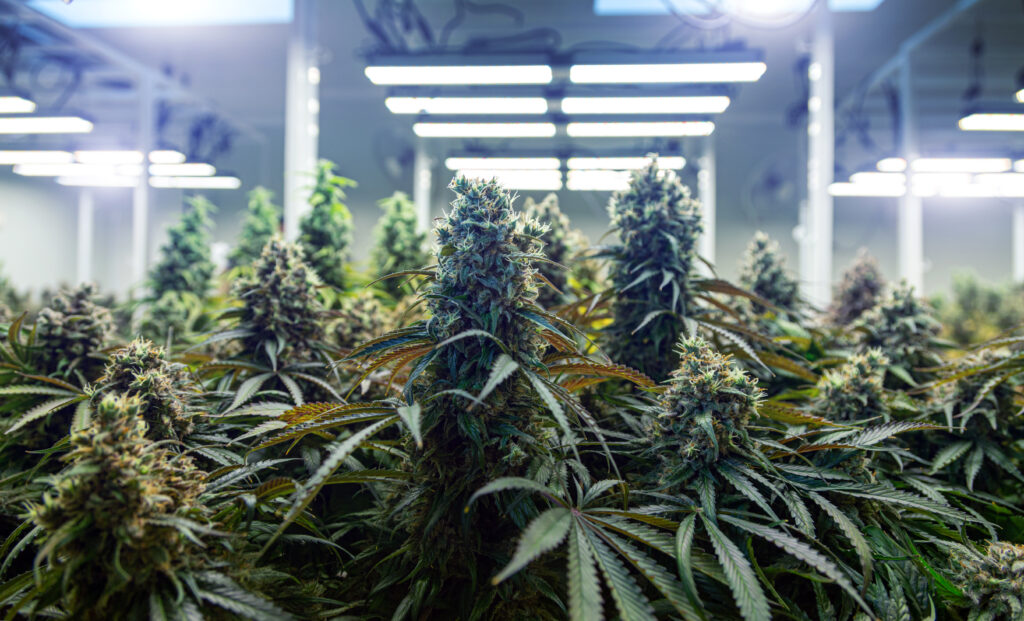
Even the most experienced, most meticulous cultivators deal with crop failures. Mold strains like aspergillus and bud rot do not care how clean your facility is. They spread fast, and a bad outbreak can wipe out enough of a harvest to create real gaps in inventory that retailers feel weeks later.
Equipment is another one. Indoor and greenhouse cultivation facilities run on advanced lighting and HVAC systems that have to work exactly right to keep plants on schedule. When a light fails and disrupts a growth cycle, or causes heat stress across a canopy, you are not just dealing with a maintenance issue.
You are dealing with a delayed harvest, and everything downstream gets pushed back with it.
Post-Harvest
This is where a lot of cannabis supply chain problems are born, and where they tend to compound the fastest.
METRC tags get mixed up between lots. Harvested material gets contaminated by something preventable. Products that are ready to be packaged end up with the wrong testing results on the label. These are not rare edge cases. They happen regularly across the industry.
The longer they go unaddressed, the more expensive and complicated they become to fix.
The Lab and the Retail Floor
Product samples that test positive for banned pesticides, residual mold, or other contaminants do not make it to shelves. That means another gap in available inventory. And when a product gets flagged for an administrative hold or a recall at the retail level, it can be pulled from sale for months in some cases.
That kind of extended disruption is hard on everyone in the chain.
What Actually Helps
There is no way to eliminate risk entirely in cannabis operations, but there is a lot operators can do to reduce it. Most of the most effective strategies are not complicated. They just require consistency.
In the Grow
Tighten your monitoring. Build in regular environmental checks and catch mold or pest pressure early, before it has a chance to spread. If your state regulations allow for compliant integrated pest management approaches, they are worth incorporating into your standard practices.
Do not let equipment maintenance slip either. Lighting and HVAC systems in cultivation facilities should be on a documented preventive maintenance schedule. Most mechanical failures that disrupt a grow cycle are predictable.
Failures happen because someone did not check it when they should have.
Post-Harvest and Packaging
GMP-level cleanliness standards in harvest and post-harvest production spaces are not optional if you want to minimize testing failures. Yes, it takes more time. But a failed batch costs far more than the extra hour it takes to clean the room properly.
On the labeling side, build a verification step into the packaging workflow and actually use it. Before packaging begins, someone should be confirming that every METRC tag matches its assigned product lot and that the testing result label on the product is the right one for that specific batch.
Most labeling errors that create downstream compliance problems can be caught in under a minute. They just need someone to actually look.
Inventory and Retail
A well-organized inventory room makes a real difference at the end of the chain. Clear product organization, accurate stock tracking, and regular audits help retailers catch gaps before customers do.
This sounds basic, but teams deprioritize it when things get busy.
The Bigger Picture
Operational problems are part of any business. In cannabis, the costs are just higher and the margin for error is smaller. A cultivation problem becomes a supply problem becomes a brand problem faster in this industry than in almost any other.
The brands that hold up in this market are the ones that take the operational side as seriously as the marketing side. Customers notice when their favorite product is always in stock and consistent every time they buy it. They also notice when it is not.
At Pro Gro, that is something we think about at every stage of what we do. We build our cultivation and quality control processes around delivering product that retail partners can actually count on, not just once, but batch after batch.
Consistency isn’t just good operations. It’s how you build a brand worth coming back to.
FAQs
- What causes cannabis supply chain problems?
They can start anywhere in the chain. Common causes include crop failures from mold or equipment issues in the grow, METRC tracking and labeling errors in post-harvest, testing failures due to contaminants or pesticides, and administrative holds or recalls at the retail level. - What is METRC and why does it matter?
METRC is a seed-to-sale tracking system used by cannabis regulators in many states to monitor inventory from cultivation through retail. Errors in METRC tagging or lot assignment create compliance issues that can delay or remove products from sale. - How can cultivators reduce testing failures?
Strict sanitation practices, early mold and pest detection, compliant pest management, and regular equipment maintenance all reduce contamination risk. Most testing failures are preventable with the right protocols in place. - How does post-harvest organization affect the supply chain?
Most labeling and tracking errors happen during post-harvest processing. A simple verification step confirming that METRC tags, product lots, and testing results all match before packaging begins catches the majority of these issues before they become compliance problems. - Why does supply chain consistency matter for retailers?
Retailers build menus and customer expectations around the products they carry. When supply is inconsistent, it erodes the trust customers have in both the retailer and the brand, and they start looking elsewhere.
Build a Supply Chain You Can Actually Count On with Pro Gro
Inconsistent supply is one of the fastest ways to lose a retail partner or a loyal customer. Pro Gro’s cultivation and quality control processes are built around delivering reliable, consistent flower that gives retailers something they can actually stand behind.
If you are looking for a wholesale partner who takes the operational side as seriously as the product side, let’s have a conversation.
DISCLAIMER: The contents of this blog are intended for informational purposes only. Always seek the advice of a physician or other qualified healthcare provider with any questions you may have regarding a medical condition.