
A dispensary can have a beautiful store, smart buying team, and loyal customer base. But if the flower on the shelf is inconsistent or forgettable, customers notice. They may not know what happened upstream, but they know when the jar doesn’t deliver the flavor, aroma, and quality they expect.
That’s why choosing a cultivation partner deserves more than a quick look at a wholesale menu and THC percentage. The right grow partner helps a retailer protect shelf consistency, keep buyers confident, and give budtenders products they can stand behind.
Here is what dispensaries should look for before bringing a cultivator into the lineup.
Key Takeaways:
– A strong grow partner delivers consistent quality, batch after batch.
– Environmental control, genetics, harvesting, and curing all affect what makes it to the shelf.
– Compliance, testing, and seed-to-sale traceability should be easy to verify.
– Reliable communication and realistic supply planning matter as much as flower quality.
– Cultivation practices should align with a dispensary’s product standards and customer expectations.
– A true partner gives retail teams the details they need to sell the product confidently.
Start With Consistency
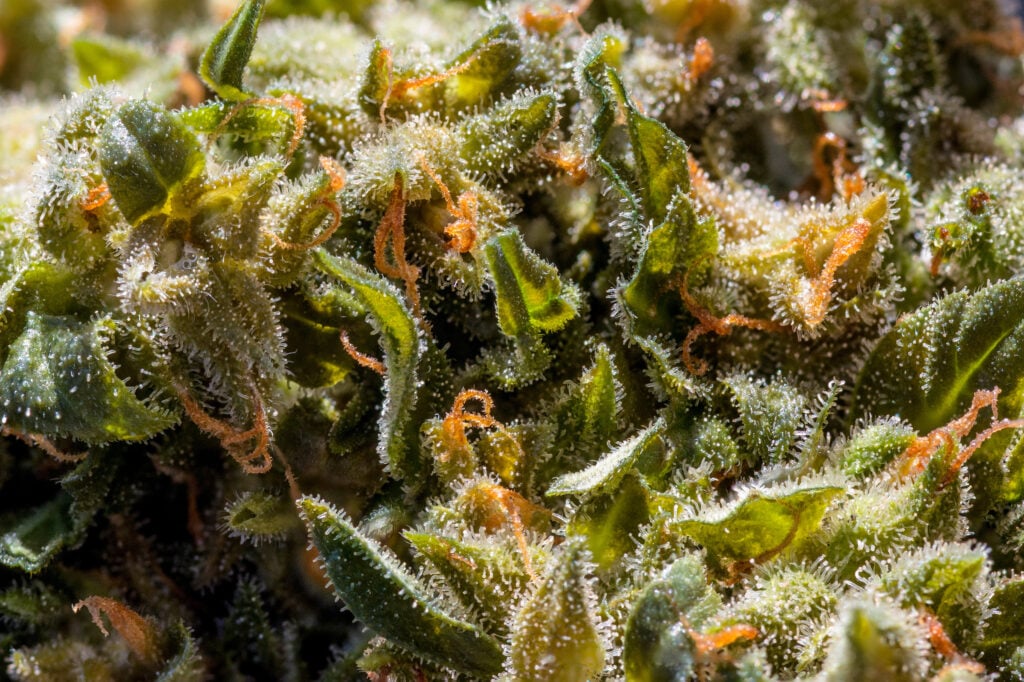
THC is a data point, not a buying strategy. A high number may earn a second look, but repeat purchases come from the full package: aroma, flavor, appearance, freshness, and a consistent experience from one batch to the next.
That consistency starts in the grow. Indoor cultivation lets teams closely manage temperature, humidity, lighting, airflow, and other environmental conditions that influence plant development. Controlled environments can help protect plants from weather swings and external pest pressure while producing more uniform batches.
Ask a prospective partner how they monitor their rooms and keep standards steady as they scale. A cultivator should explain how they protect the traits that make a strain worth carrying.
Look at the Genetics Behind the Menu
While consistency is your baseline, you also need to look deeper into the product’s origin. Good flower starts with genetics, and a cultivation partner’s roster says a lot about their priorities. Are they working with respected breeders? Do they select strains for terpenes, structure, bag appeal, and reliable production? Do they know the lineage and expression of the flower they sell?
For dispensaries, better genetics make merchandising easier. A strain with clear lineage, a recognizable aroma, and a story your team can share gives customers reasons beyond THC percentage to choose it. It also makes it easier for budtenders to recommend products based on flavor preferences and desired experiences.
At Pro Gro, breeder relationships are part of our cultivation philosophy. Our team works with sought-after genetics, including Archive Seed Bank offerings such as Lunar Lemon and Moonbow #112, applying the same deliberate approach from cultivation through cure.
The goal isn’t a long list of strain names; it’s to consistently deliver a quality product that deserves its place on a retailer’s shelf.
Ask About the Finish
Beyond genetics, how a partner manages the post-harvest product is just as critical to the final product. Cultivation doesn’t end when the plants come down. Drying, curing, trimming, storage, and packaging can preserve or compromise the work done in the grow room.
A strong cultivation partner should handle post-harvest plants with as much care as the flower cycle. Look for a grower that treats curing as quality control. This is where aroma, moisture, texture, and shelf readiness come together.
A well-grown batch can lose its edge if it is rushed through the finish or stored poorly before it reaches the dispensary.
Make Testing and Traceability Easy to Verify
In Michigan, cannabis is subject to required safety compliance testing before retailers can sell it. Testing can cover potency, microbial impurities, residual pesticides and chemicals, heavy metals, moisture, water activity, mycotoxins, foreign material, and other required analytes. Michigan’s Metrc system also provides seed-to-sale tracking across the licensed supply chain.
Those requirements are just the basics. A good grow partner makes test results, batch information, and production details straightforward for retail teams to access and understand.
Ask how they share certificates of analysis, communicate batch changes, and document the path from cultivation to sale. Transparent answers are a good sign. If they’re vague about traceability, move on.
Plan for Reliable Supply and Real Communication
A standout strain that is rarely available is hard to build a program around. Dispensaries need visibility to plan menus, launch new products, train staff, and avoid disappointing regulars who return looking for a favorite.
Ask about production cadence, expected lead times, upcoming drops, and how a partner communicates constraints. No cultivator can promise that every strain will be available forever. Plants have their own calendar, after all. But communication is key here.
A reliable partner gives realistic expectations, flags changes, and helps you plan around the natural rhythm of cultivation.
Consider the Bigger Cultivation Picture
Sustainability isn’t a single checkbox. It’s a series of operating decisions about inputs, energy, water, waste, packaging, and how a company uses resources. Indoor growing requires energy and water, so efficiency and responsible resource use should be part of the conversation.
Ask a potential grow partner what sustainability means in their facility:
- Do they monitor water and environmental inputs?
- How do they manage waste?
- What practices are built into the operation rather than added on for marketing?
The best answers will be specific, honest, and connected to how they grow.
Why Pro Gro?
Pro Gro was built in Michigan by people who care about what happens to plants at every stage. Our approach comes down to precision, quality, and artistry. We use controlled indoor environments, carefully selected genetics, intentional cultivation methods, and a considered cure to produce terpene-rich flower that retailers can count on.
We know a wholesale relationship works best when it is built on communication. That means straightforward information, dependable planning, and products your budtenders can talk about with confidence.
Great cannabis shouldn’t be a guessing game for the retailer or the customer.

FAQs About What Dispensaries Should Look for in a Grow Partner
- Why shouldn’t THC percentage be the main factor in choosing a cultivation partner?
THC is just one data point. Repeat purchases depend on the full experience, including aroma, flavor, appearance, and batch-to-batch consistency. - Why do genetics matter when evaluating a cultivation partner’s menu?
A partner’s strain selection reflects their priorities. Strong genetics with clear lineage and recognizable aroma give customers reasons to choose a product beyond THC, and make it easier for budtenders to recommend based on flavor and experience. - What compliance and testing standards apply to cannabis in Michigan?
Michigan requires safety compliance testing covering potency, microbial impurities, pesticides, heavy metals, moisture, mycotoxins, and other analytes, along with seed-to-sale tracking through the state’s Metrc system. - How can a dispensary verify a cultivator’s testing and traceability?
Ask how they share certificates of analysis, communicate batch changes, and document the path from cultivation to sale. Vague answers are a red flag. - Why does supply reliability matter as much as product quality?
Dispensaries need visibility into production cadence and lead times to plan menus and avoid disappointing customers. A good partner sets realistic expectations and communicates changes early. - How does sustainability factor into choosing a grow partner?
Sustainability involves decisions about inputs, energy, water, and waste management, not just marketing claims. Ask specific questions about how a facility monitors resources and manages waste.
Choose a Partner That Helps Your Shelves Grow with Pro Gro
The right cultivation partner brings more than flower. They bring consistency, clarity, and a shared commitment to the customer experience. Before you make your next buying decision, look past THC, ask the deeper questions, and find out whether the grower behind the product is ready to grow with your business.
Connect with Pro Gro to learn more about our Michigan-grown indoor flower and wholesale partnerships.
DISCLAIMER: The contents of this blog are intended for informational purposes only. Always seek the advice of a physician or other qualified healthcare provider with any questions you may have regarding a medical condition.